
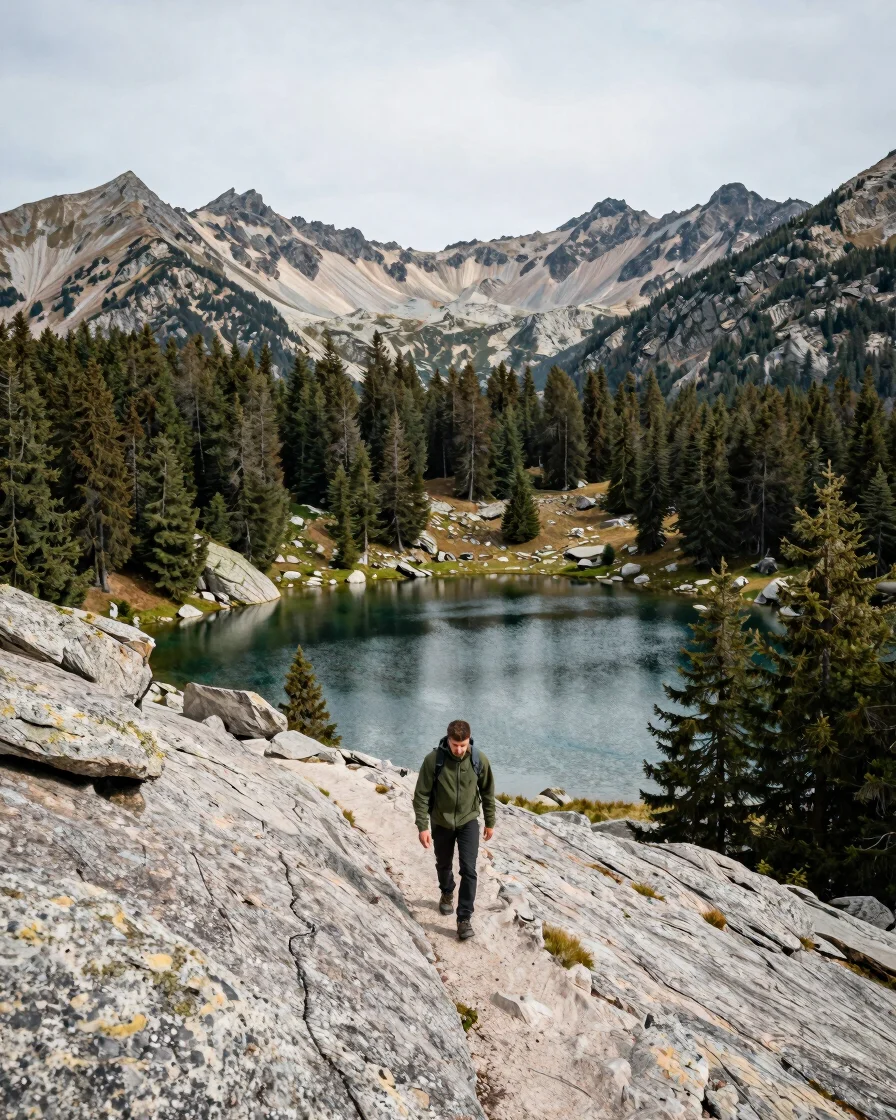
Gear
Equipment built for Belledonne granite and changing weather
Granite ridges, glacial basins, and fast-changing skies reward layers, footwear, and navigation tools chosen for the terrain. This guide covers what to carry and why, without brand endorsements. Check forecasts, snow, and route closures before every outing.
Core kit
Three categories that matter most
Start with the parts of your kit that protect you from cold, wet, and uneven ground.
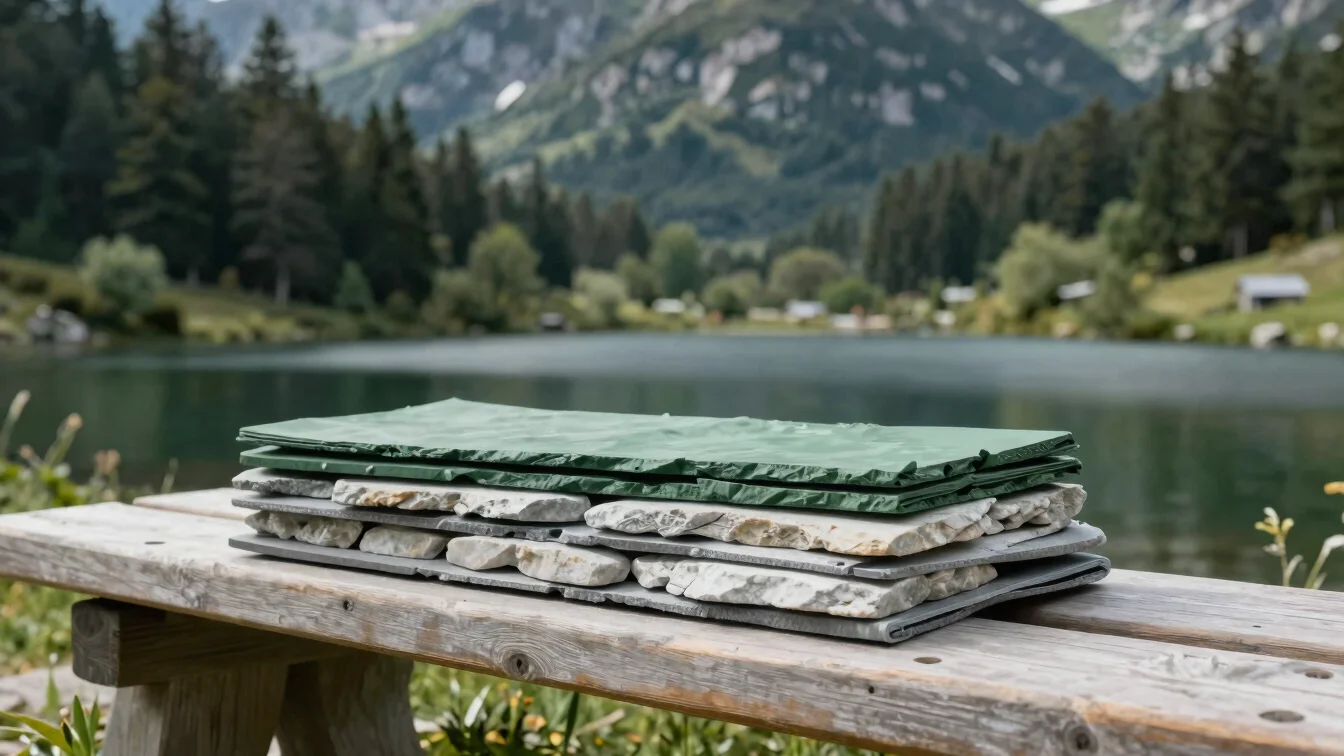
Layering
Layer for changing temperatures
Alpine weather can shift within an hour. Use a base layer that wicks moisture, an insulating mid layer, and a windproof, waterproof outer shell you can add or remove as conditions change.
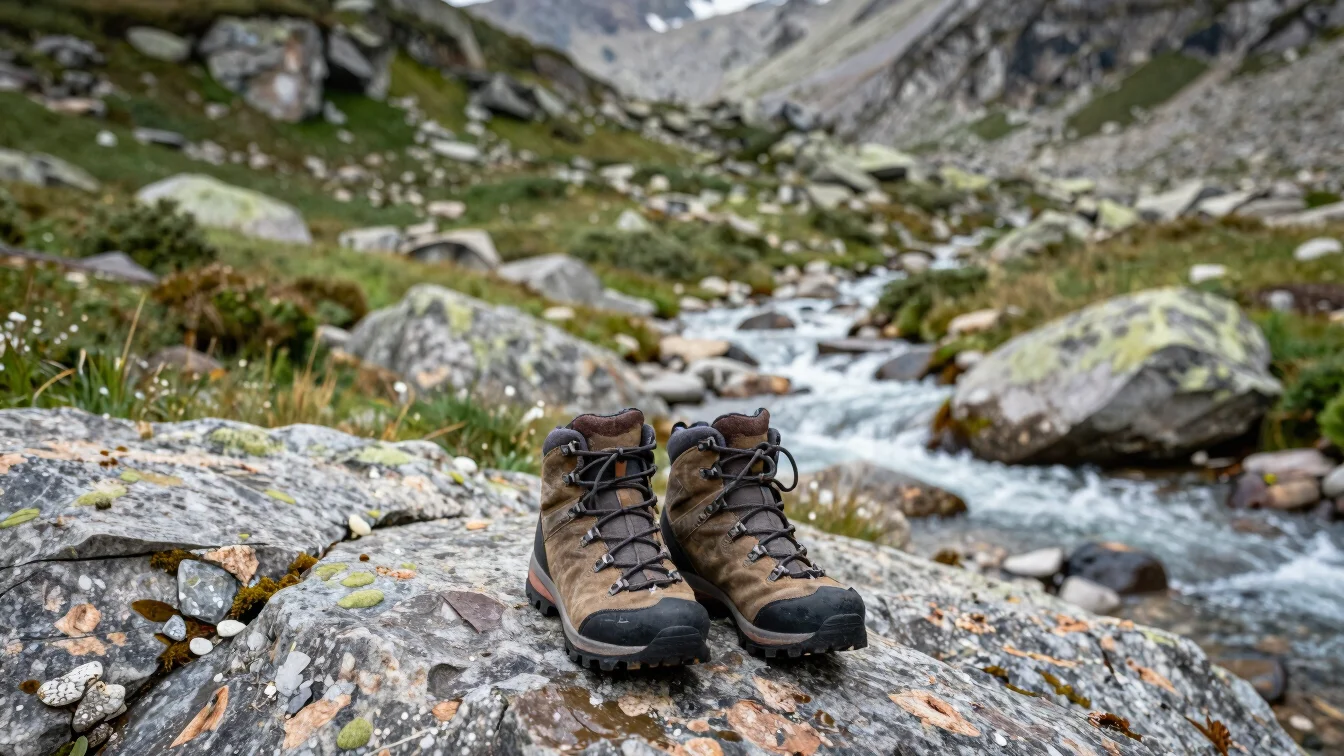
Footwear
Choose ankle support and traction
Granite and wet slabs demand boots with firm ankle support, a stable sole, and reliable grip. Break in footwear on shorter outings before a long route in Belledonne.
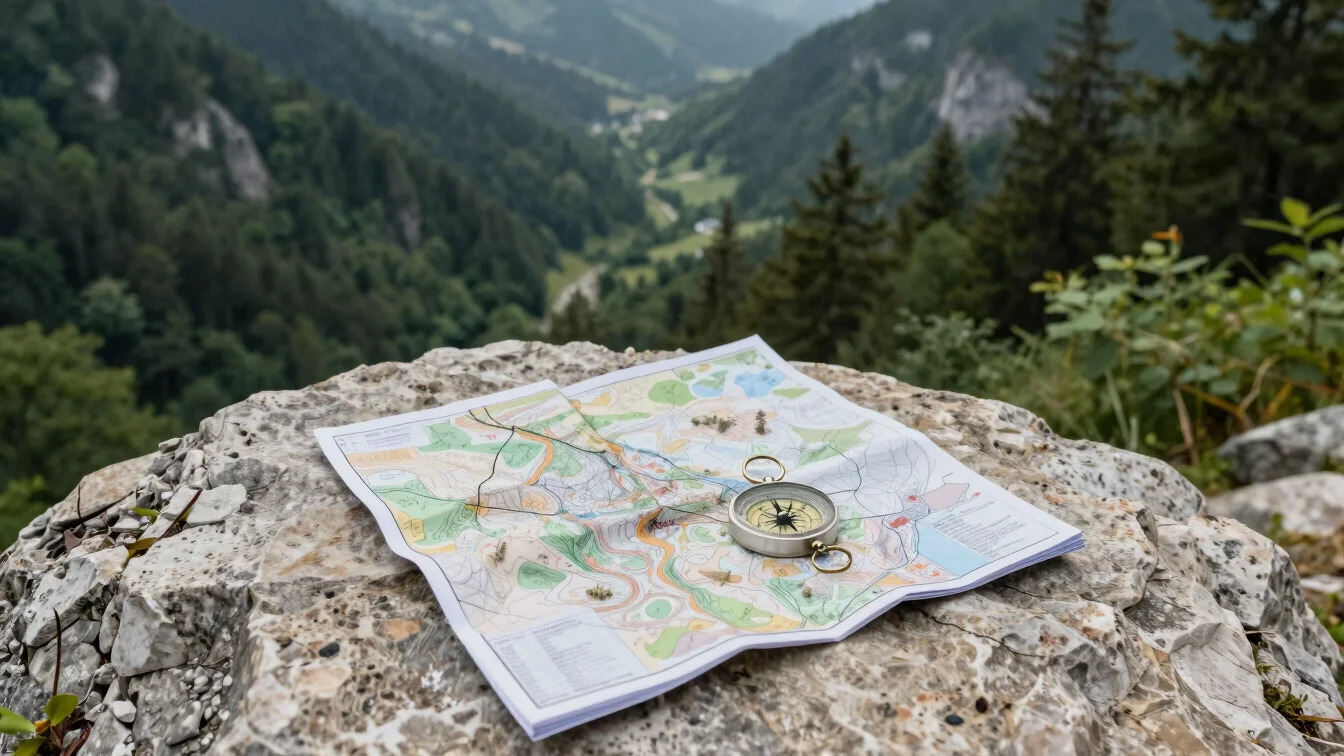
Navigation
Carry maps and a compass
Phone batteries fail and signal drops in valleys. Carry a printed topographic map, a compass, and a headlamp, and know how to use them before you leave the trailhead.
Field notes
Pack, dry, and prepare
Distribute weight low and close to your back, keeping heavier items centered and securely strapped. This keeps balance steady on steep granite and loose scree. Manage moisture by changing out of sweaty layers during stops and carrying a spare dry layer. Wet clothing cools quickly at altitude, so dry layers matter as much as warm ones.
Keep emergency readiness simple: a basic first-aid kit, an emergency blanket, extra food and water, and a whistle. Review these items before every outing and adjust them to the length and exposure of your route. Always verify weather, snow, closures, and route conditions before you set out. This guide offers general equipment principles and does not replace local information.